All Categories
Featured


Understanding PPO Vs HMO Health Insurance
Table of Contents
How does the 2026 subsidy cliff impact Pennsylvania family health insurance? The return of the 400 percent FPL subsidy cliff in 2026 around $128,600 yearly earnings for a family of four significantly increased costs for middle-income Pennsylvania families on Pennie.
Even families above the APTC threshold might have children qualified for CHIP if household income is listed below 319 percent FPL per-child, substantially reducing overall household protection cost. Can Pennsylvania families enlist in CHIP beyond open enrollment? Yes. Pennsylvania CHIP enrollment is open year-round there is no open registration duration constraint for CHIP or Medical Help.
Kids who get eligibility due to income changes, loss of other protection, or other scenarios can be enrolled in CHIP at any point throughout the year. CHIP, Medical Help, and Pennie marketplace plans typically work together for Pennsylvania families.'s certified PA brokers validate eligibility for every single household member and total enrollment at no additional cost.
is not affiliated with Pennie, the Pennsylvania Department of Human Solutions, the Pennsylvania Insurance Department, or any carrier including CHIP providers. The firm assists Pennsylvania citizens compare plans and register in protection at no extra expense.
An insurance coverage program collectively moneyed by states and the federal government that provides health insurance to low-income children and, in some states, pregnant women in families who make too much earnings to qualify for Medicaid however can not afford to acquire private medical insurance coverage.
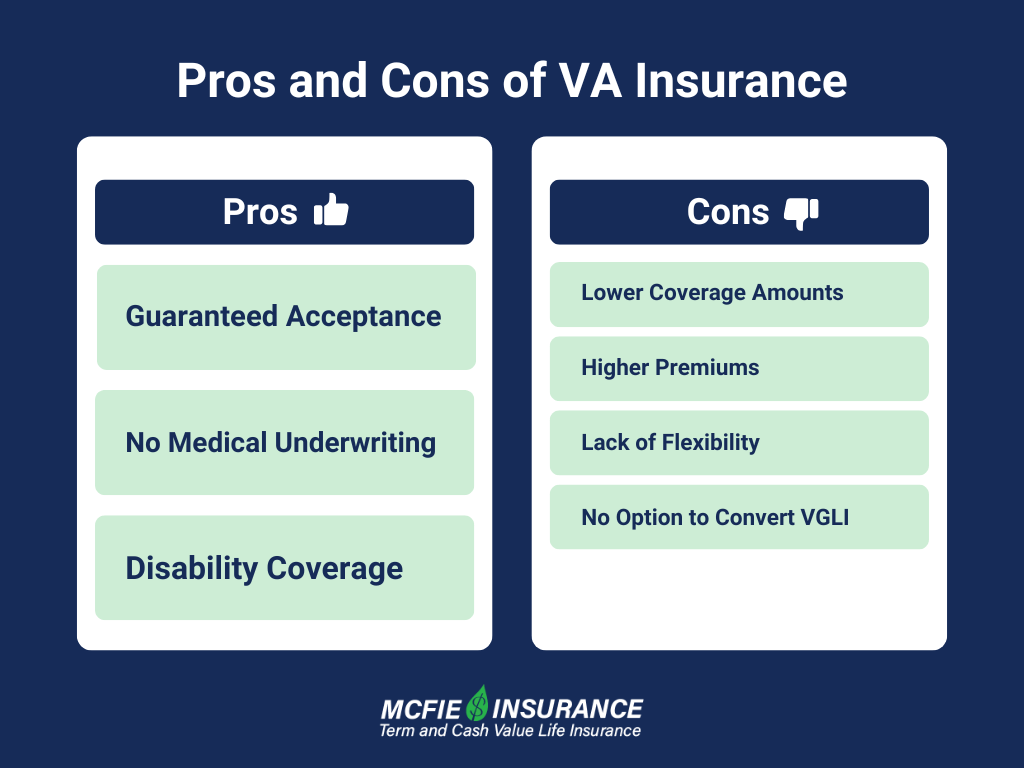
Insurance GlossaryReviewing New Life Insurance Rates for Veterans
We found out the other day that the average expense of a family health insurance coverage policy through a company reached nearly $27,000 this year, 6% higher than what it cost in 2024. As if that weren't worrying enough, scientists are anticipating that the total most likely will soar toward $30,000 next year due to the fact that of rising medical expenses and the relentless pressure insurers are under from Wall Street to increase their earnings.
Despite duplicated assurances from insurance providers that we can count on them to hold down the expense of healthcare and subsequently the premiums they charge there are now several years of proof from scientists like KFF, which tracks yearly changes in employer-sponsored protection that they have not and can not deliver on their promises.
A medical insurance policy today is usually less valuable than it was a decade earlier due to the fact that households have to spend more and more money out of their own pockets every year before their protection begins. In addition, they are far more likely to be informed that their insurance providers will not cover the care their medical professionals say they need.

That is a rate of boost much greater than basic inflation and also higher than medical inflation. Not just has the overall cost of an employer-sponsored plan increased, so has the share of premiums employees should pay. This year, companies subtracted an average of $6,850 from their workers' incomes for family coverage, up from $4,823 in 2014, a 42% boost.
Insurance GlossaryThe Affordable Care Act, to its credit, set up a cap on out-of-pocket expenditures in 2014, however that cap has actually been increasing annually along with premiums. (The U.S. Department of Health & Human being Solutions sets the out-of-pocket max every year, pegging it to the average boost in premiums.)In 2014 the out-of-pocket cap for a household policy was $12,700.
Top 2026 Medicare Advantage Plans
And bear in mind that the cap just uses to in-network care. If you go out of your insurance company's network or take a medication not covered under your policy, you can be on the hook for hundreds or thousands more. While many employer-sponsored strategies have caps that are substantially lower, lots of people and families reach the legal max every year.
Insurance companies said their 2024 revenues were somewhat depressed since more of their health plan enrollees went to the physician and chose up their prescriptions last year. Financiers were furious that insurers couldn't keep that from taking place, as you'll see in the charts listed below.
In general, the stock costs of the huge insurance coverage conglomerates have increased progressively over the years as we and our companies have had to invest more for policies that cover less. UnitedHealth Group, the most significant of the 7, saw its stock cost increase 483% between 2014 and 2024 from $85.31 a share on Dec.
Building Long-Term Financial Security With Life Insurance
31, 2024. Most of the other business saw similar development in their shares over that time duration. By contrast, the Dow Jones Industrial Average increased 139% (from $17,823.07 to $42,544.22), and the S&P 500 increased 186% (from $2,058.90 to $5,881.63) throughout the very same duration. Back to those premiums and out-of-pocket requirements.

Latest Posts
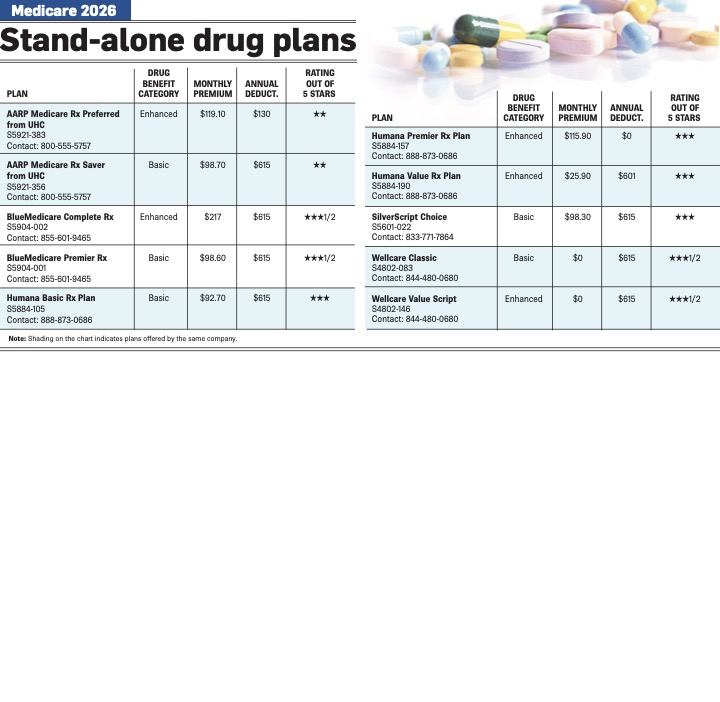
Part D Coverage Guide for 2026
Selecting Your Top 2026 Medicare Supplement Plan
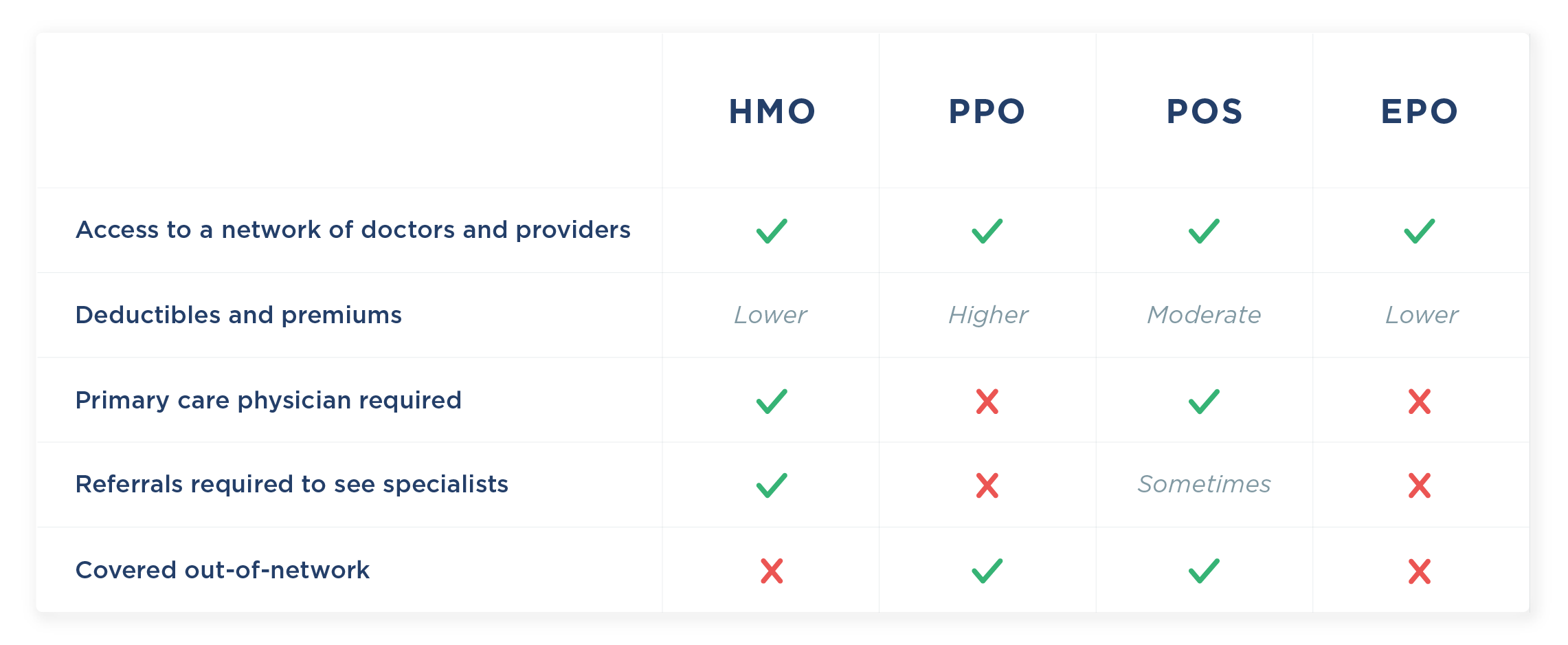
Evaluating PPO and HMO Medical Coverage